

Public
The impact of gambling on mental health exploring the hidden consequences
The impact of gambling on mental health exploring the hidden consequences
Understanding the Psychological Effects of Gambling
The psychological effects of gambling can be profound and complex. For many, gambling starts as a form of entertainment, offering excitement and a break from the monotony of daily life. However, as individuals engage more frequently, this seemingly harmless pastime can lead to significant mental health challenges. The thrill of winning can create an addictive cycle, making it difficult for individuals to recognize the potential dangers associated with this behavior. If you’re curious about responsible gaming, you can find valuable resources at BetScore official in Canada.
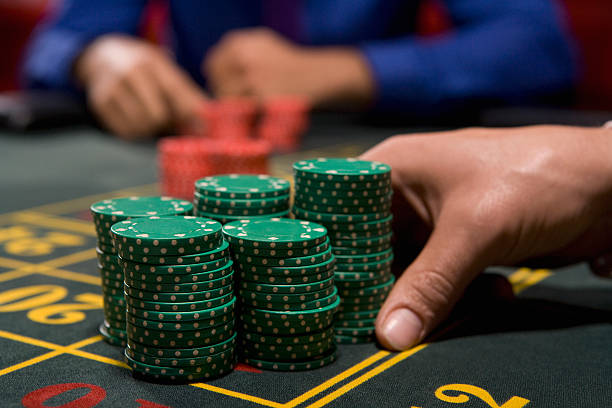
Moreover, the relationship between gambling and mental health can manifest in various ways. Anxiety, depression, and stress are common among those who gamble excessively. The compulsive urge to gamble often stems from deeper emotional issues, such as low self-esteem or a need for validation. Unfortunately, as individuals chase their losses, they may experience feelings of guilt and shame, further exacerbating their mental health problems.
The Risk of Addiction
Addiction to gambling is a serious issue that affects millions worldwide. It is often categorized as a behavioral addiction, which differs from substance abuse but can have equally devastating consequences. Those who struggle with gambling addiction may prioritize their gambling activities over relationships, work, and personal health, leading to a cycle of destruction that can be hard to escape.
The signs of gambling addiction can be subtle at first, often mistaken for simple overindulgence. However, as the addiction progresses, individuals may find themselves lying about their gambling habits, borrowing money, or even resorting to illegal activities to fund their gambling. Understanding these risk factors is crucial for early intervention and support.
Emotional and Social Consequences
The emotional toll of gambling can create significant barriers in a person’s life. Feelings of isolation and loneliness are common among problem gamblers, as they may withdraw from friends and family to hide their behavior. This withdrawal can lead to a decline in social support, making it even more challenging to address their addiction and seek help.
Additionally, the social consequences of gambling extend beyond the individual. Families can be deeply affected, as financial strain and emotional distress can lead to conflict and breakdowns in communication. Children in such environments may face long-term emotional issues, making it vital to address the impact of gambling on entire families, not just the individual gambler.
Seeking Help and Treatment Options
Recognizing the need for help is the first step toward recovery from gambling addiction. Numerous treatment options are available, ranging from counseling and therapy to support groups specifically tailored for those affected by gambling. These resources can provide individuals with the tools needed to confront their addiction and work toward healthier coping mechanisms.
Additionally, educating oneself about the signs and consequences of gambling addiction can empower individuals and their loved ones to take action. Support networks are critical in this journey, as they can offer understanding and encouragement during challenging times.

Discovering Safe Gaming Environments
For individuals who still want to enjoy gambling in a safe manner, platforms like BetScore Canada provide a secure environment. With a wide variety of games and strict regulations, players can engage in gaming without compromising their mental health. Responsible gambling practices are emphasized, helping players to maintain control over their gaming habits.
Joining such platforms allows players to enjoy entertainment while being aware of the risks associated with gambling. With features like self-exclusion and deposit limits, these sites encourage responsible behavior, making them a better choice for those who want to enjoy the thrill of gaming without the negative consequences on their mental health.
