

Public
The historical journey of gambling From ancient rituals to modern casinos
The historical journey of gambling From ancient rituals to modern casinos
The Origins of Gambling
The roots of gambling can be traced back to ancient civilizations, where it was often intertwined with religious and cultural practices. Archaeological findings indicate that as far back as 3000 BC, people in Mesopotamia engaged in games of chance using knucklebones, which were precursors to dice. These early forms of gambling were not just about winning or losing; they served as rituals that connected communities to their deities, often seen as a way to seek favor or divine insight. For those interested in the latest trends, visit https://onlinedentallearning.in/.

In Ancient Rome, gambling became a popular pastime among citizens, despite being periodically banned by emperors who recognized its potential to disrupt social order. The Romans developed various games and betting methods, highlighting how gambling evolved from mere chance to a structured activity with rules and strategies. This transition marked a significant shift in the perception of gambling, paving the way for its future developments.
The Middle Ages and the Emergence of Gambling Houses
The Middle Ages saw a transformation in the landscape of gambling, especially in Europe. With the rise of feudalism and the decline of the Roman Empire, gambling became less about community rituals and more about personal gain. During this period, taverns and inns began to host games of chance, establishing the groundwork for what would become modern gambling houses. These informal venues facilitated the growth of card games and betting on various competitions, including jousts and other sporting events.
This era also saw the introduction of regulated gambling in some regions, where local authorities would oversee games to ensure fairness and legality. The emergence of more structured games, such as the precursors to modern poker and blackjack, reflected a growing sophistication in gambling culture, paving the way for the formal casinos that would emerge in the centuries to follow.
The Rise of Casinos in the 18th Century
The 18th century marked a significant turning point for gambling, particularly with the establishment of the first official casinos. The Casino di Venezia in Italy, opened in 1638, is often recognized as the world’s first gambling house. It provided a formal setting for games of chance and was instrumental in setting gambling regulations and standards. Such establishments quickly gained popularity across Europe, particularly in France, where the concept of the casino flourished.
This period also introduced the concept of house rules and various gambling games that have persisted over time. The allure of casinos extended beyond mere gambling, as they became social hubs for the elite, showcasing lavish entertainment and fostering a culture of opulence. The combination of chance and social interaction solidified the casino’s role in society, making it a staple of leisure activities.
The Evolution into the Modern Era
The 20th century ushered in a new era for gambling, particularly with the advent of technological advancements. The introduction of slot machines in the early 1900s revolutionized the gambling experience, making it accessible to a broader audience. This was further enhanced by the legalization of casinos in various locations, such as Las Vegas in the United States, which became synonymous with glamorous gambling.
As the century progressed, gambling continued to adapt to societal changes. The rise of online casinos in the late 1990s marked a pivotal moment, allowing players to engage in gambling from the comfort of their homes. Today, online platforms offer an array of games, incorporating cutting-edge technology and innovative features that appeal to a global audience, ensuring that the evolution of gambling remains dynamic and relevant.
Engaging with Gambling Today
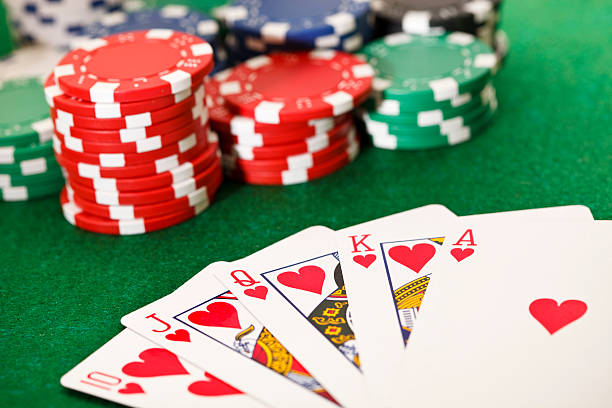
In the contemporary landscape, gambling has become an integral part of entertainment, with online platforms offering exhilarating experiences akin to traditional casinos. Players today can explore a myriad of games, from slots to table games, all while enjoying user-friendly interfaces and secure transactions. The integration of live dealer games has further enhanced the realism, bridging the gap between virtual and physical gambling experiences.
As the industry continues to evolve, platforms offer enticing bonuses and promotions that attract both novice and experienced players. The combination of convenience, accessibility, and a diverse gaming experience has transformed gambling into a global phenomenon, reflecting its rich historical journey from ancient rituals to the sophisticated online casinos of today. This ongoing evolution ensures that gambling remains not just a game of chance but a captivating blend of skill, strategy, and entertainment.
